Ashley Canafe
“What is your favorite artwork?”
Curatorial Rationale
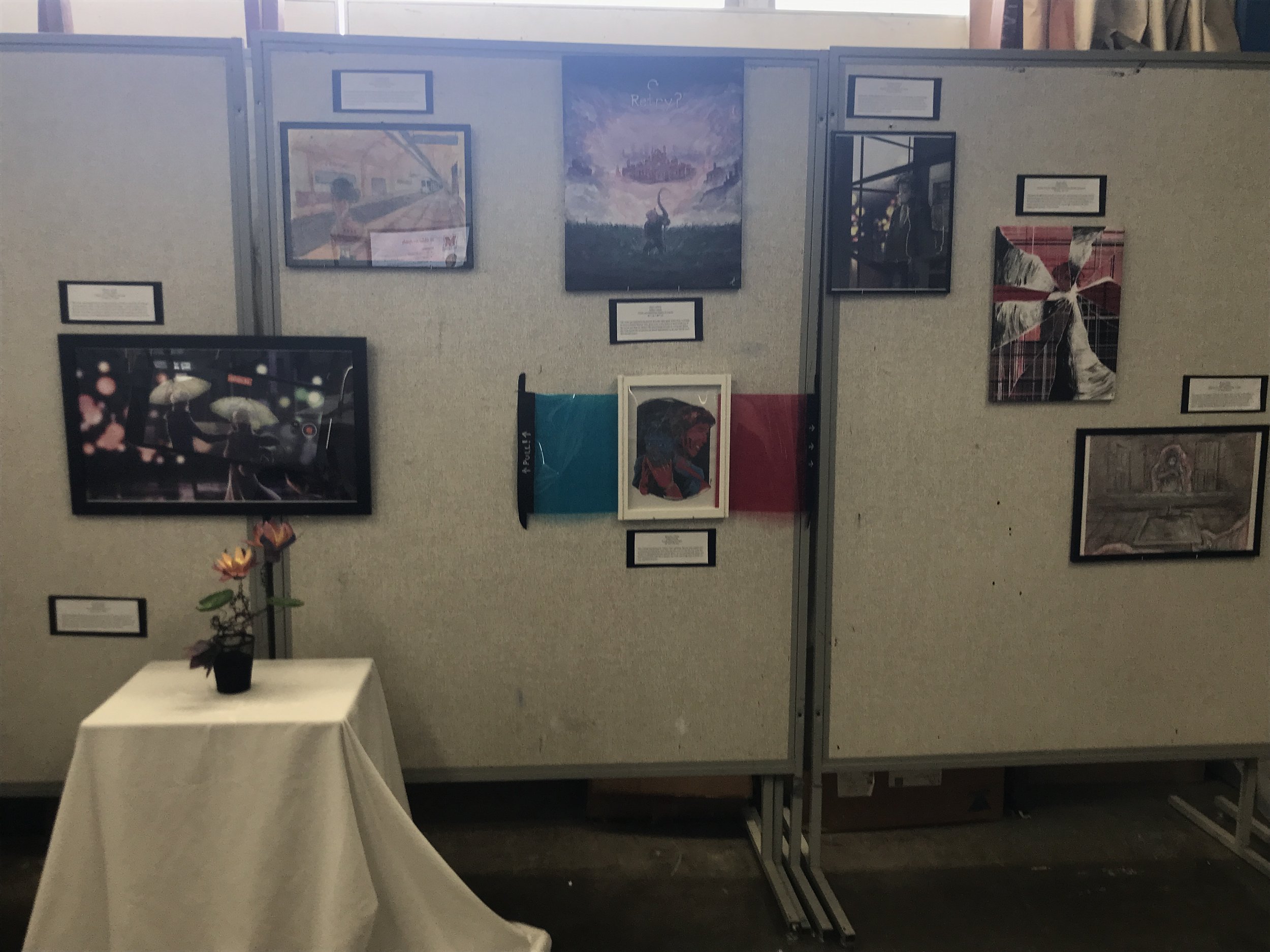
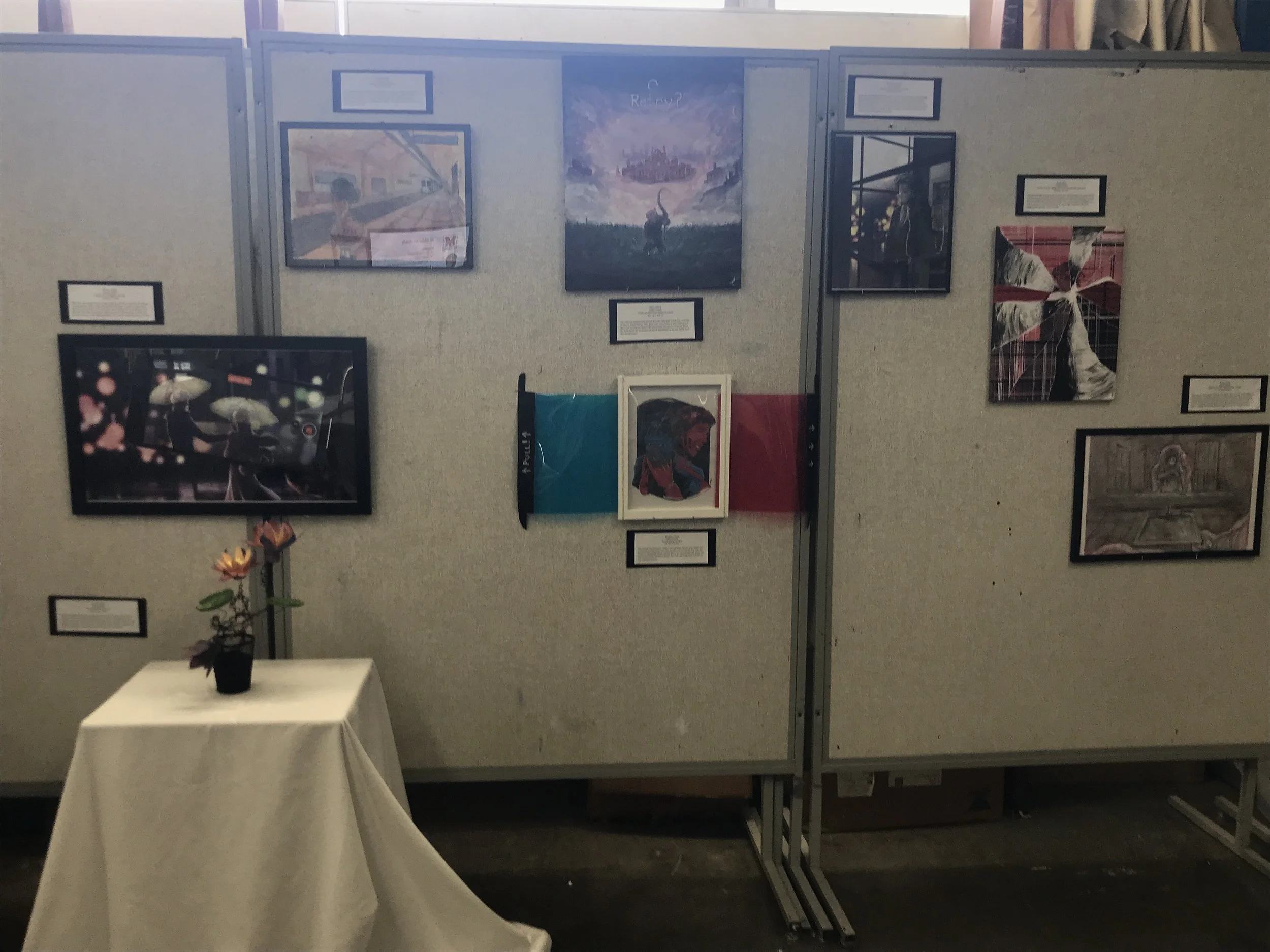
My vision is to represent the universal idea of grief, addressing the various human emotions and mental conditions one may experience in their lifetime. Each work has their own unique way of representing these, which may be depicted symbolically or through the use of other artistic techniques, such as utilizing a particular composition. I intend for my overall exhibition to bring clarity to such complex stages of life and to allow for my audience to learn to appreciate this experience as a whole.A variety of mediums have been purposefully used to suggest the idea that grief comes in different forms. Such materials include wire and plastic, acrylic, pen, colored pencil, watercolor, and digital art. A majority of the artworks incorporate bright, saturated colors to evoke vivid emotion. In contrast, few artworks utilize more neutral tones to represent a deeper meaning on their own accord.
These artworks are specifically based on the concept of the 7 Stages of Grief, which reflects the themes of shock, denial, anger, bargaining, depression, healing, and acceptance. However, various artists have influenced the art-making processes for every piece, including Andrew Cadima, Derek Dominic D’souza, and Lukas Moll.
Each artwork, with their own given medium and artistic techniques, represents a particular stage of grief, evoking a certain human emotion or mental process that may be felt during that stage. Additionally, the majority of works include a human figure so that the audience may be able to easily resonate with each of these stages.
The arrangement is purposefully out of order of the ‘set stages,’ reflecting the complexity of human grief and the idea that there is no absolute predictability regarding the mental condition. The formation of the artworks mimic a fibonacci sequence, which creates balance and harmony across the exhibition.
Although each work depicts very distinct messages, the overall exhibition addresses the idea that grief remains as an entire experience one may be able to reflect upon. With this body of work, I intend for my audience to further explore the 7 Stages of Grief and witness various, complex emotions. I also hope one understands that, although these experiences will differ among individuals, they are also what connects us together as humans.
Ashley’s Artwork
-
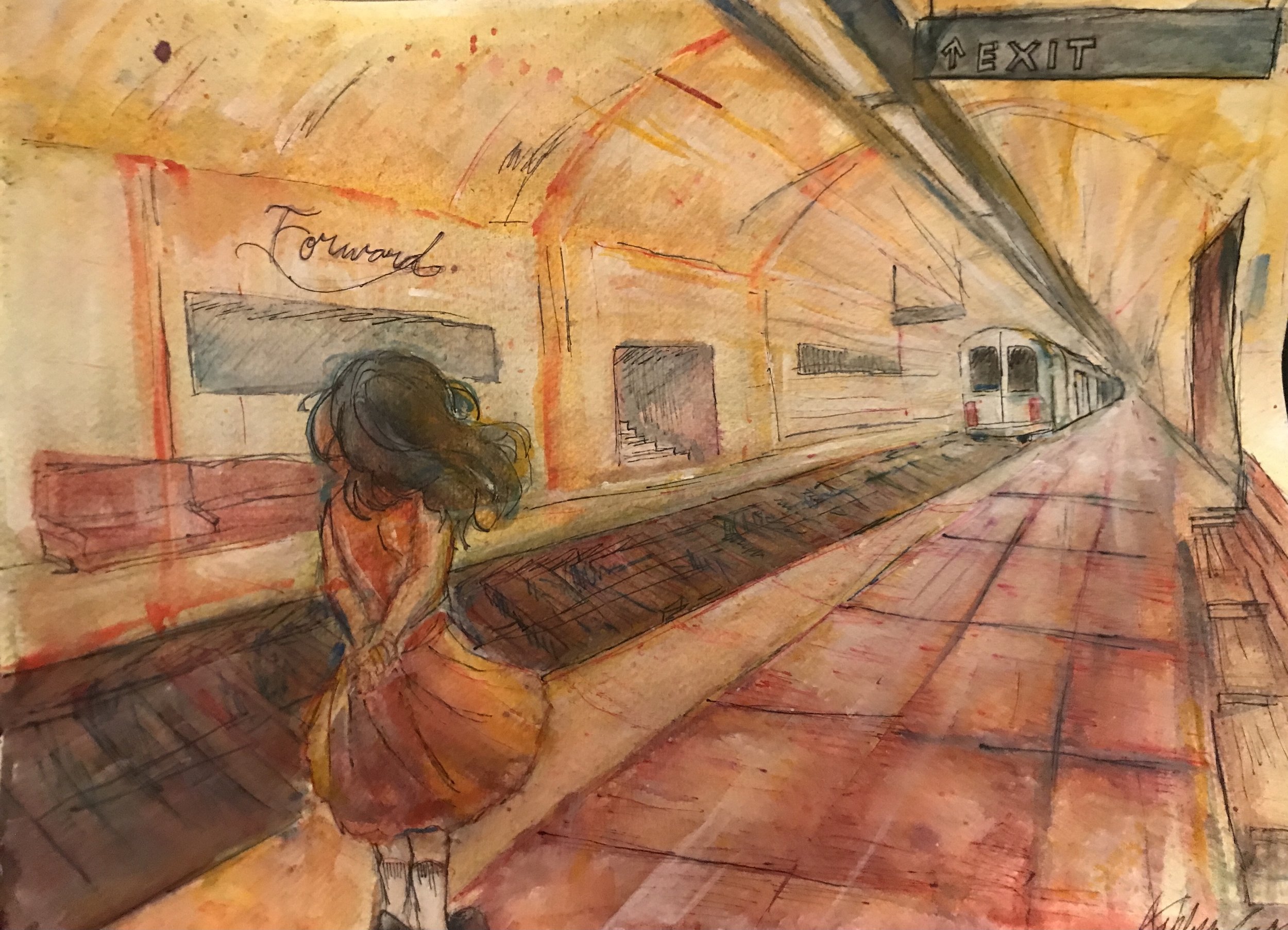
Forward
Watercolor and Pen on Paper
38.1cm x 27.9cm
The idea of a subway station was prompted by an unknown creator on social media and means to portray the idea of acceptance when faced with grief. The train symbolizes past events passing by, and a girl is calmly watching it leave the station, representing the act of letting go. Vibrant, warm colors are used to evoke the feeling of comfort.
-
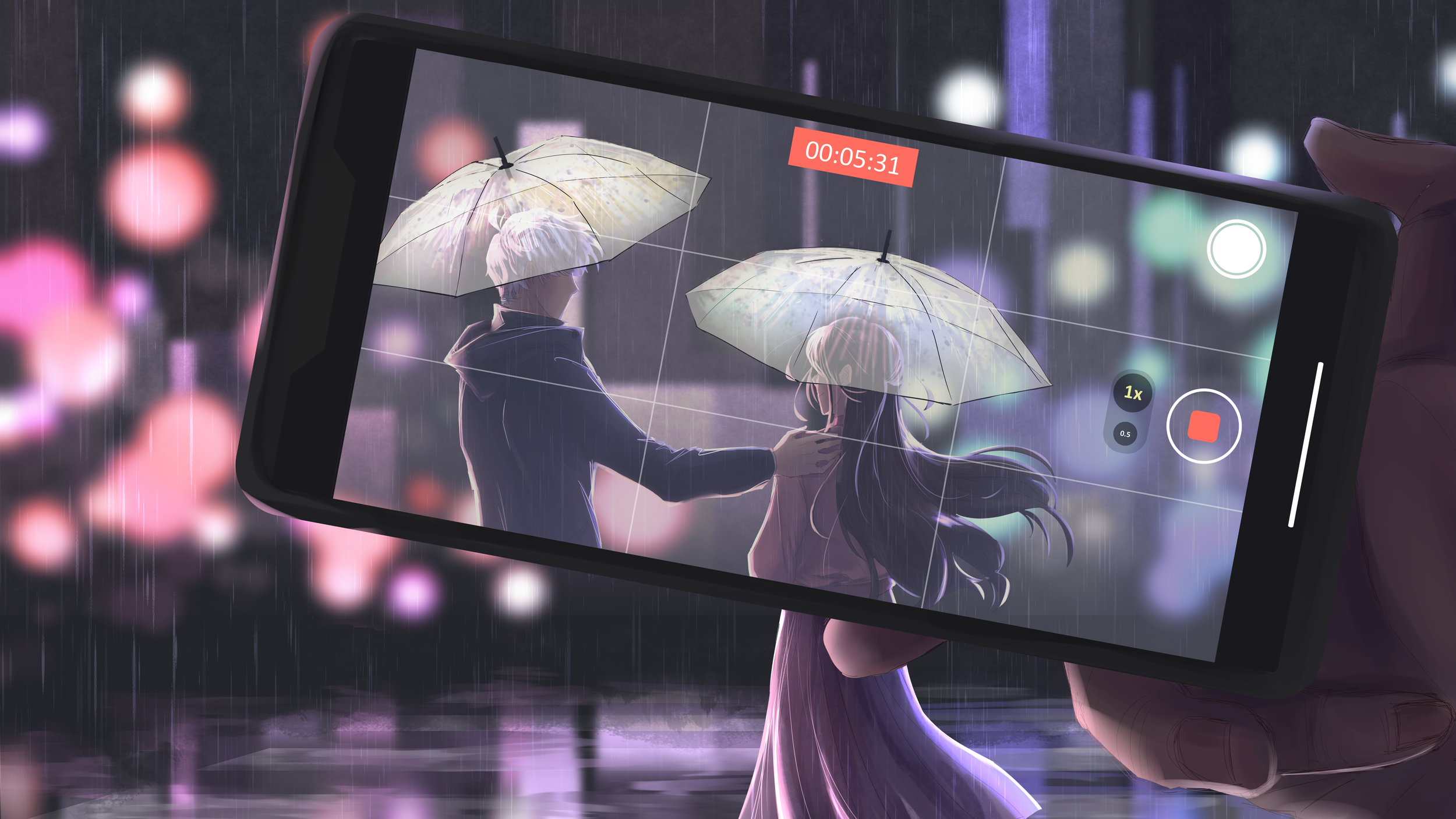
Memory
Digital Art - FireAlpaca on Matte
60.9cm x 35.5cm
This work was inspired by one of Derek Dominic D’souza’s artworks of a city girl in the night rain, which evokes the feeling of nostalgia. A similar setting is used here for a similar effect, with vivid lights used to emphasize the distinctness of a memory. The phone, a method of capturing a meaningful memory, is where only the man is present. This represents denial of the present and the fixation of the past.
-
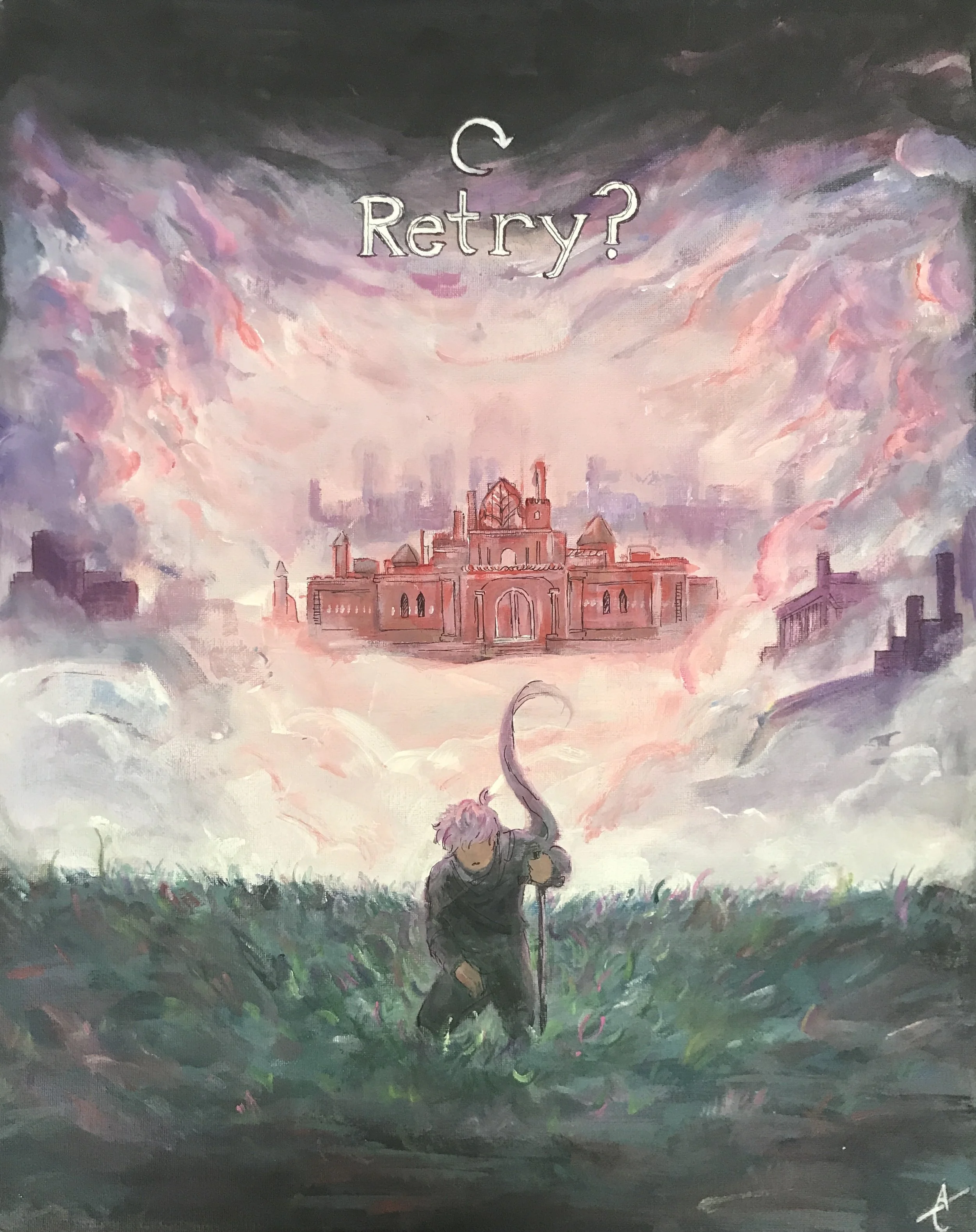
Retry?
Acrylic and Permanent Marker on Canvas
40.1 cm x 49.5 cm
This work was inspired by an artwork from the video game Elden Ring. It intends to mimic a fantasy-themed video game style; a retry button is found at the top of the canvas and there are fantasy-like surroundings throughout. Using this theme, this work depicts the recollection of missed opportunities in the past and the need for a second chance. -
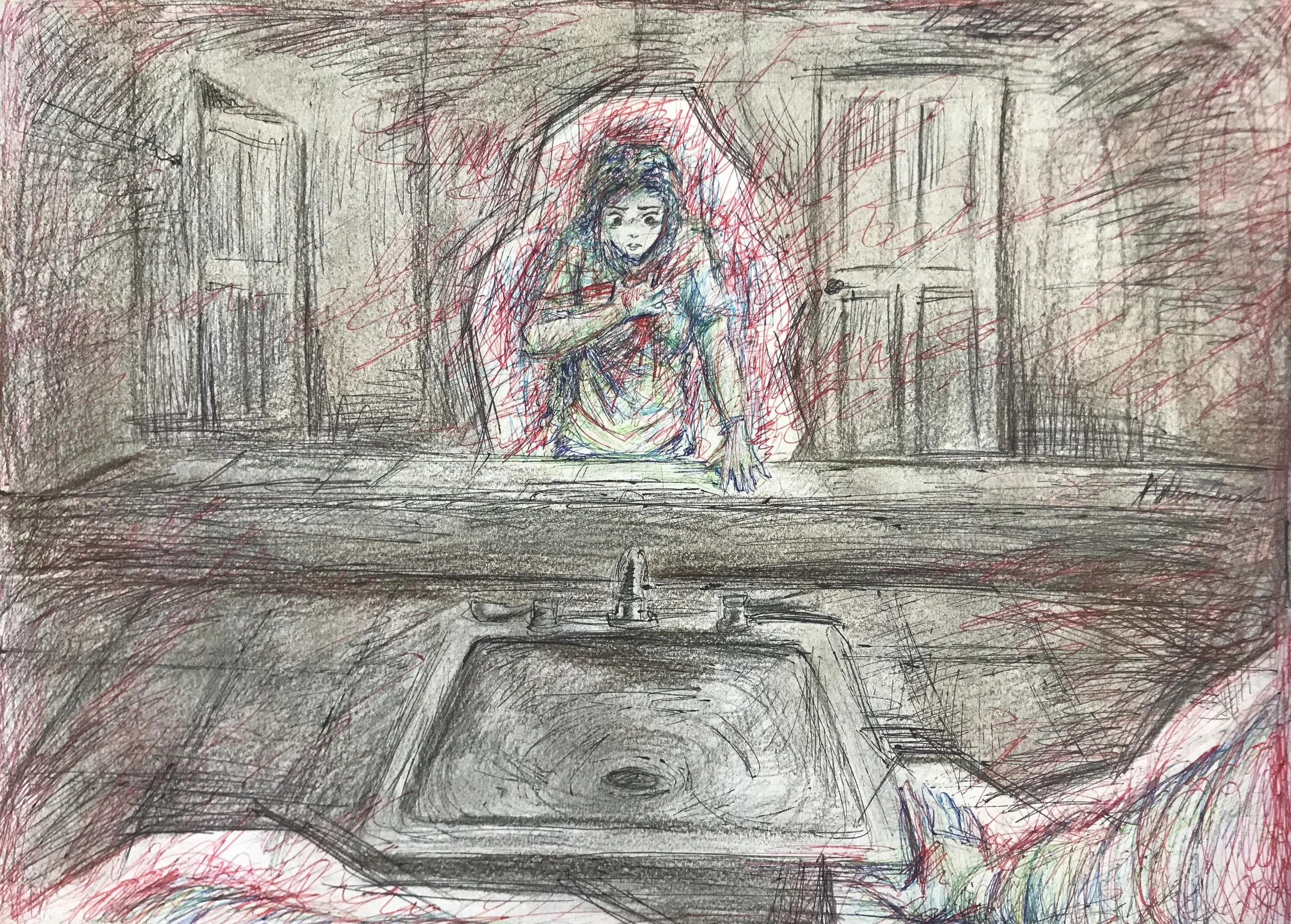
Focus!
Ballpoint Pen and Colored Pencil on Paper
41.1cm x 30.2cm
This artwork was inspired by artist Cody James, who was able to manipulate the messy strokes of a ballpoint pen into one coherent drawing. With these strokes representing jumbled emotion, this work evokes a particular kind of shock. The work is in a first-person perspective yet the person’s appearance is revealed in a mirror, offering the audience multiple perspectives on this specific emotion.
-
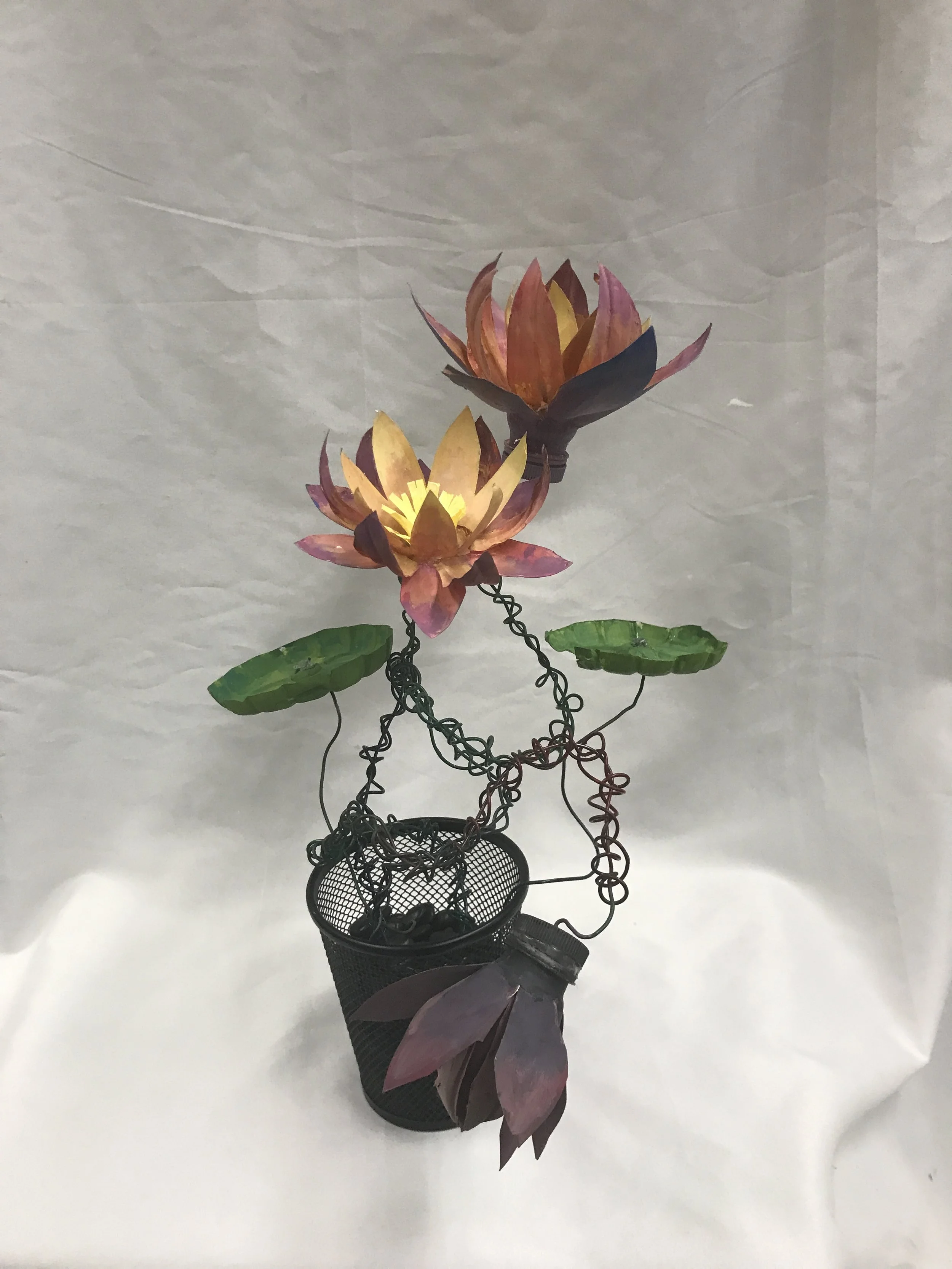
Upward
Wire and Acrylic on Plastic
8cm x 8cm x 38cm
Inspired by Mark Quinn’s use of imperfections in The Chromatic Nurseries of El Dorado (2008), this 3D plant symbolizes the uncertainty and disorder found in recovery from grief. Some lotus flowers struggle to grow upwards, while one wilts away in the process. The lotuses are intertwined with one another, suggesting the idea that the healing process can include both progress and obstacles. -
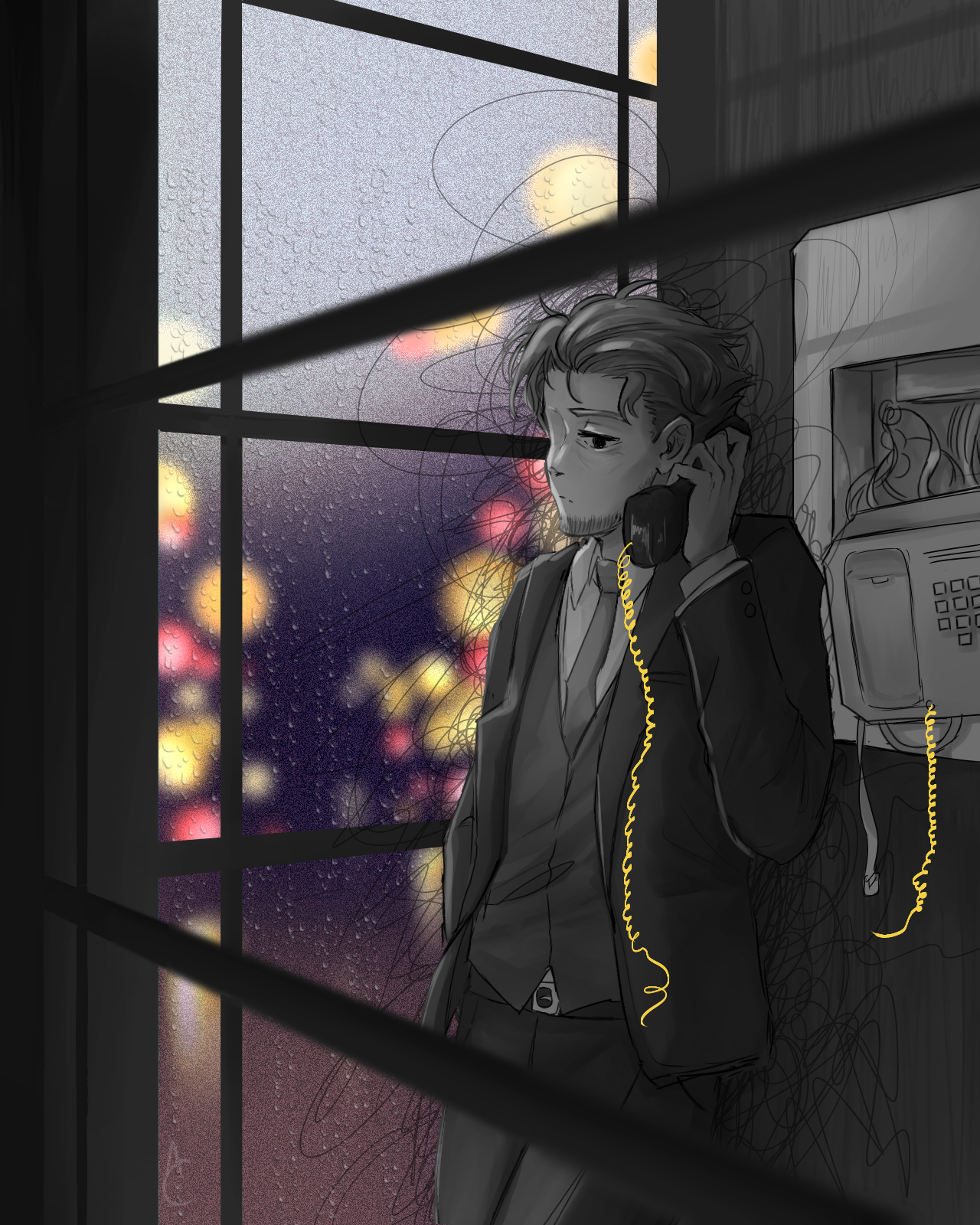
Disconnect
Digital Art - FireAlpaca on Matte
27.9cm x 35.5cm
Inspired by Jochen Mühlenbrink’s ability to replicate foggy glass in his paintings, this artwork utilizes a rainy window as a ‘barrier’ between the human and the outside world, depicting a disconnected feeling one may experience in life. The foreground is the interior of a telephone booth and solely takes on neutral tones in contrast to the outside city lights. The man intends to contact someone from the outside with a broken phone but cannot.
-
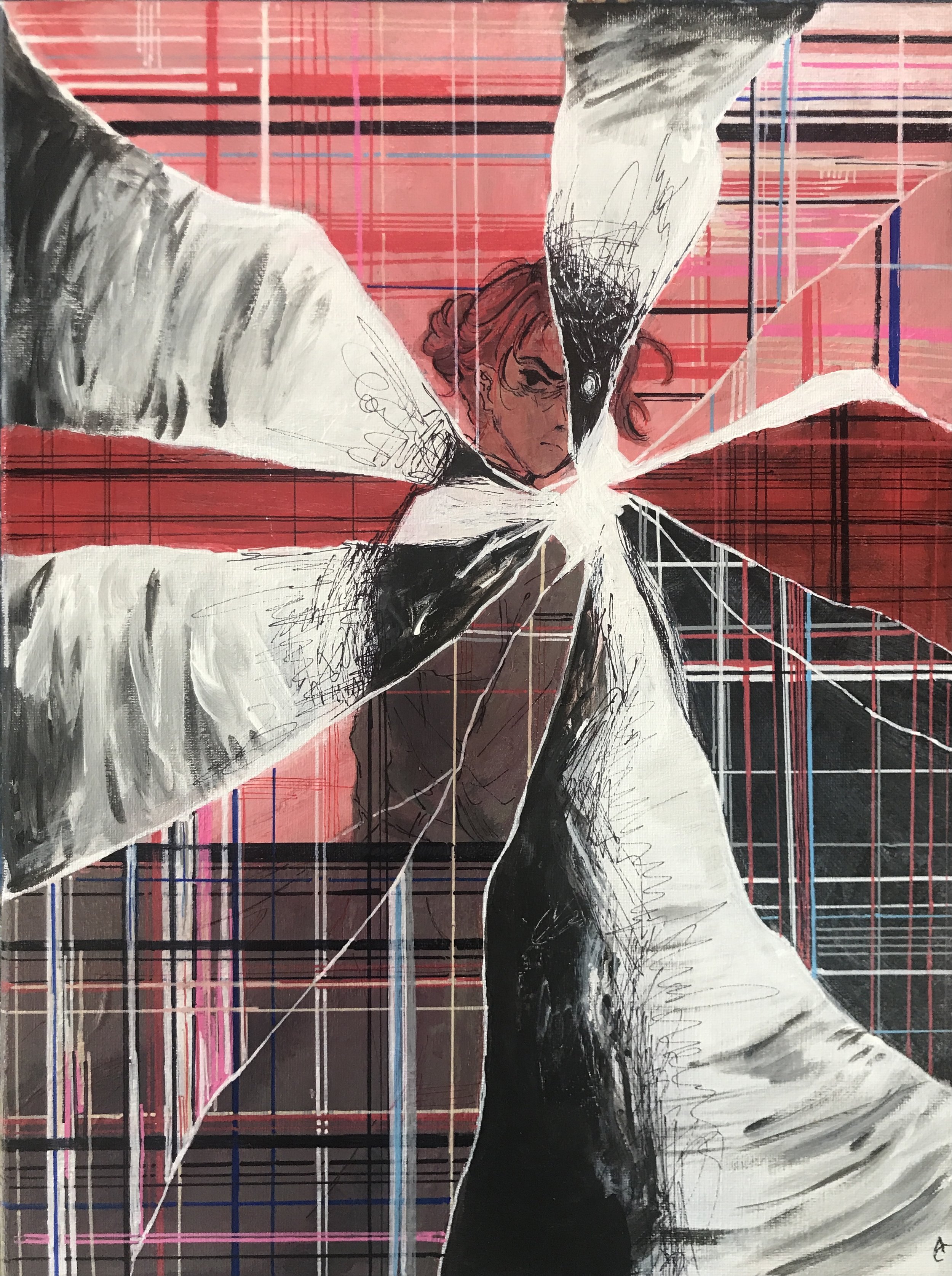
Rage
Acrylic, Acrylic Marker, and Permanent Marker on Canvas
30.5cm x 40.1cm
Inspired by the distorted portraits of Lukas Moll, this painting conveys the intense emotion of anger. Similarly, distorted fragments are used in the painting to portray the irrationality of the current state of mind. The overall composition alludes to a broken screen, as if one has punched it in a fit of rage. Bold lines and colors emphasize the intensity of this emotion.
-
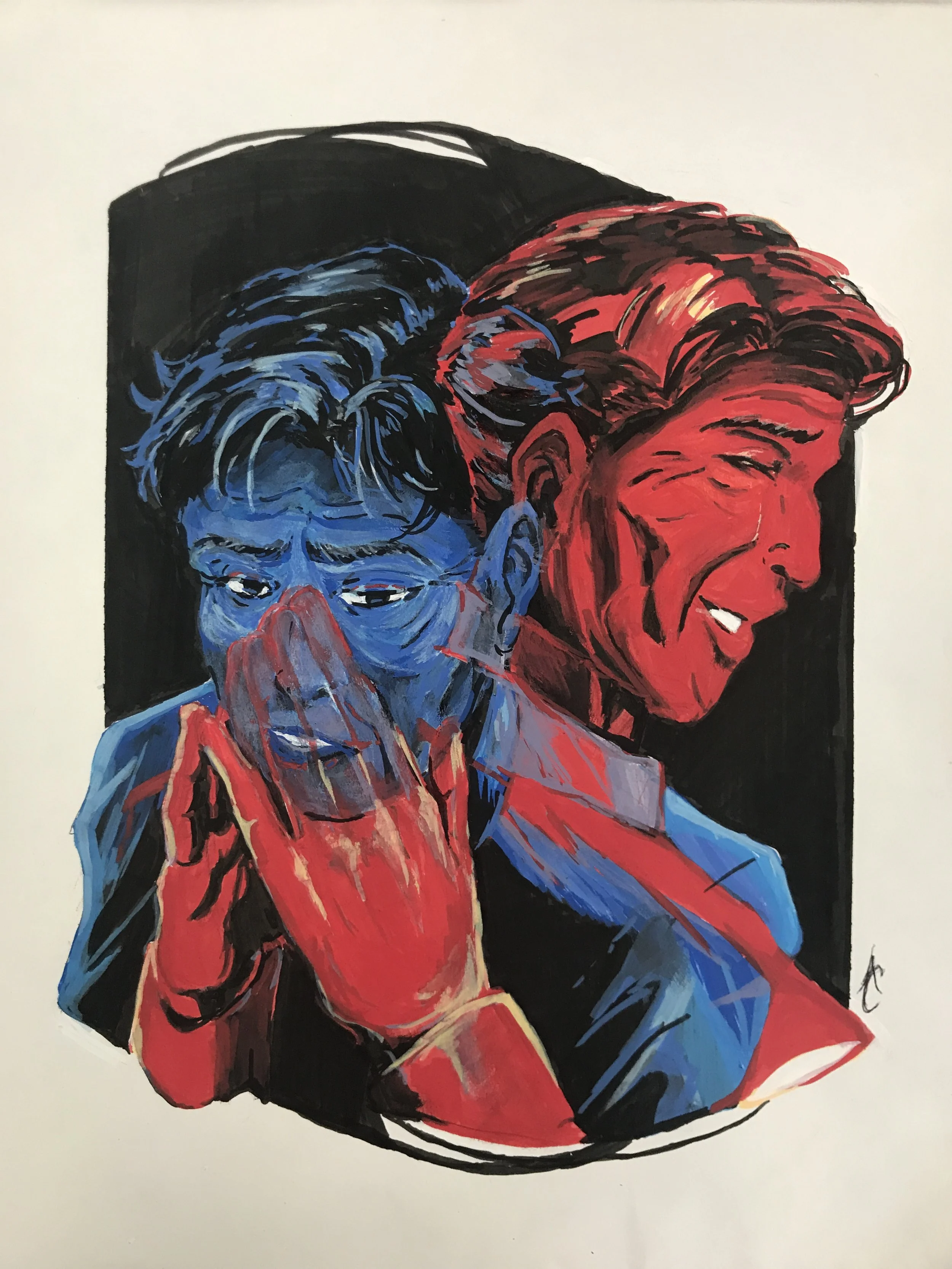
Blind Eye
Acrylic Marker on Paper
22.7cm x 30.3cm
This artwork was inspired by Andrew Tate’s painting, Spectre, and captures two overlapping portraits of the same man, one blue and one red, into one work that changes in appearance through different filters. By incorporating both happy and depressed emotions with this technique, this work reflects the state of denial one may experience in grief.